
After getting engaged, it can feel like everything suddenly needs your attention. Friends ask questions. Social media floods you with ideas. Venues and vendors seem to book quickly, creating an underlying sense that if you don’t act fast, you’ll fall behind.
One of the first things we share with our clients is this:
Not all wedding decisions are equal, and not all of them need to be made right away.
Understanding which decisions create structure, and which can evolve, sets the tone for a calmer, more intentional planning experience.
What Truly Matters Early in the Planning Process
1. Overall vision and guest experience
Before focusing on details, step back and define how you want your wedding to feel. Think about the atmosphere, energy, and overall flow from a guest’s perspective. Whether you’re envisioning something intimate or grand, formal or relaxed, that clarity becomes a decision-making guide for everything from venue choice to timeline to design.
2. Location and environment
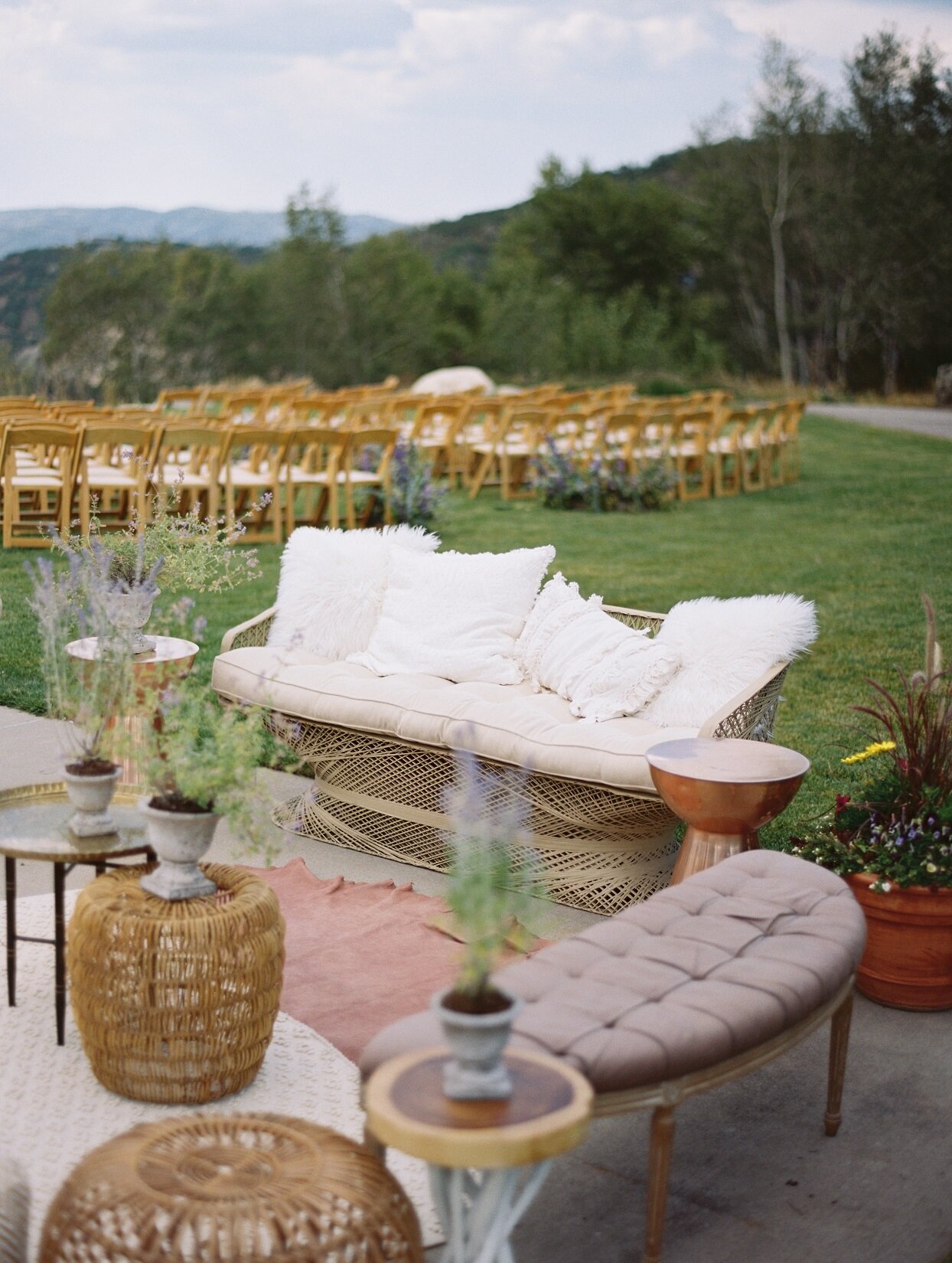
Your setting influences far more than aesthetics. Different locations come with different logistical realities, staffing, rentals, weather plans, accessibility, and vendor availability. A full-service venue operates very differently from a private property or destination setting, and understanding those differences early helps you plan strategically and avoid surprises.
3. Complexity (not just size)
Guest count doesn’t always equal difficulty. A smaller wedding with multiple locations, custom elements, or tight transitions can be more complex than a large event at a venue designed for seamless service. Identifying your event’s true level of complexity early helps you plan proactively and assemble the right support.
4. A realistic planning runway
Some weddings naturally require more time, especially those with custom design, travel logistics, or multi-day celebrations. Giving yourselves an appropriate planning window allows for better vendor availability, thoughtful decisions, and a smoother experience overall.
What Can—and Should—Wait
Design Details
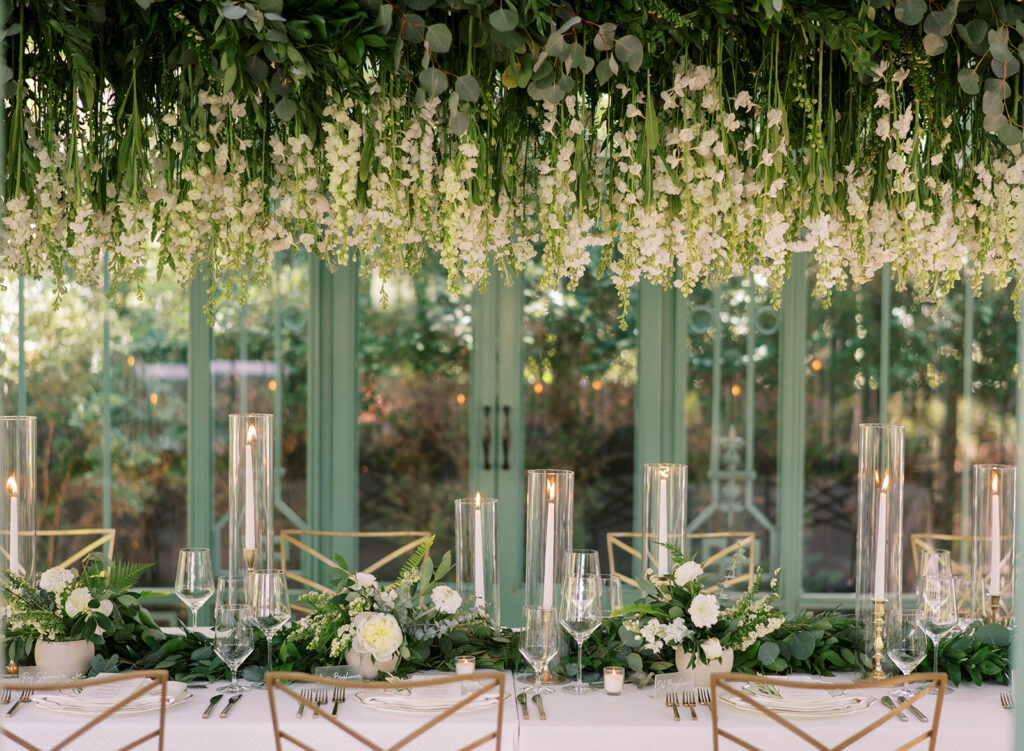
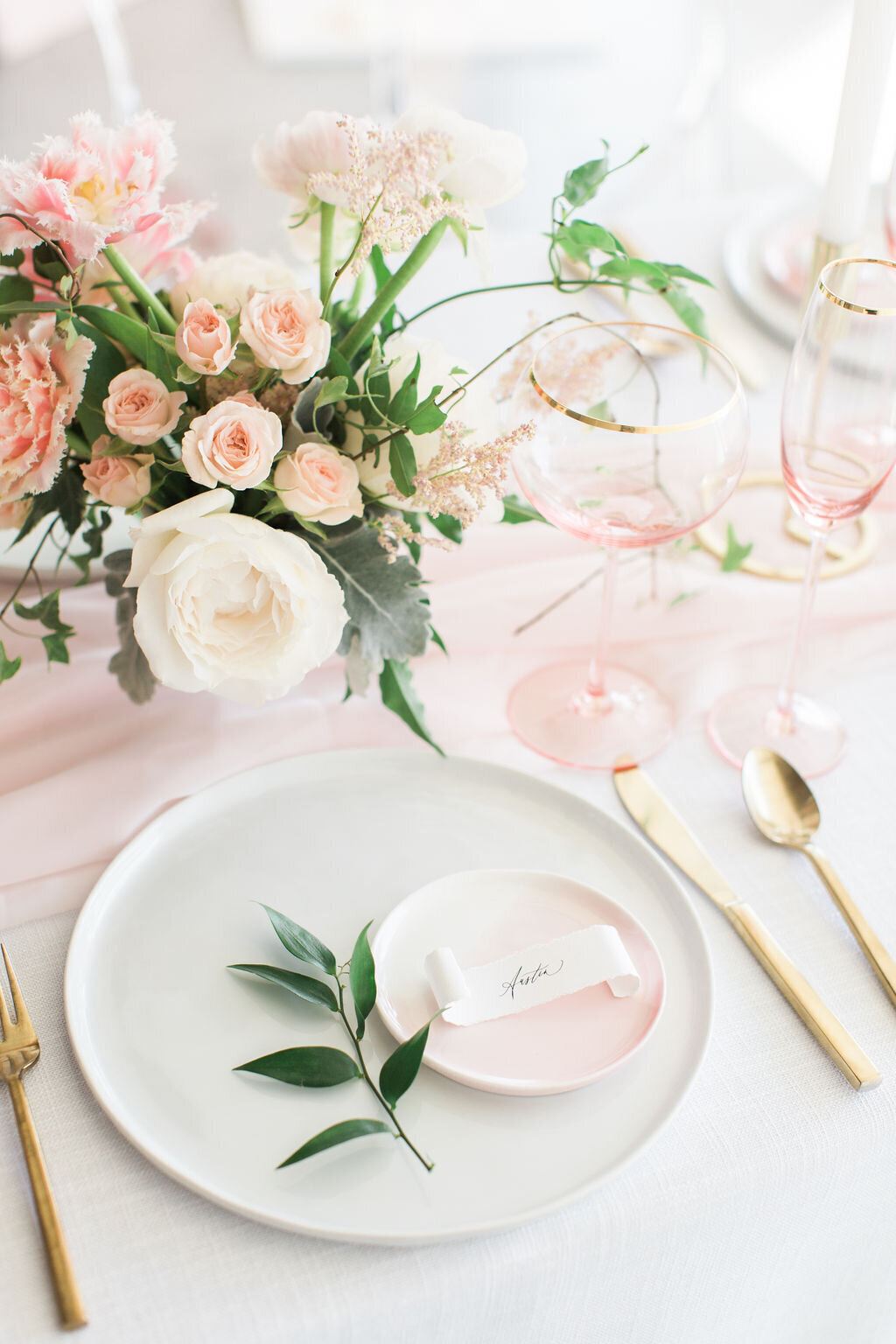
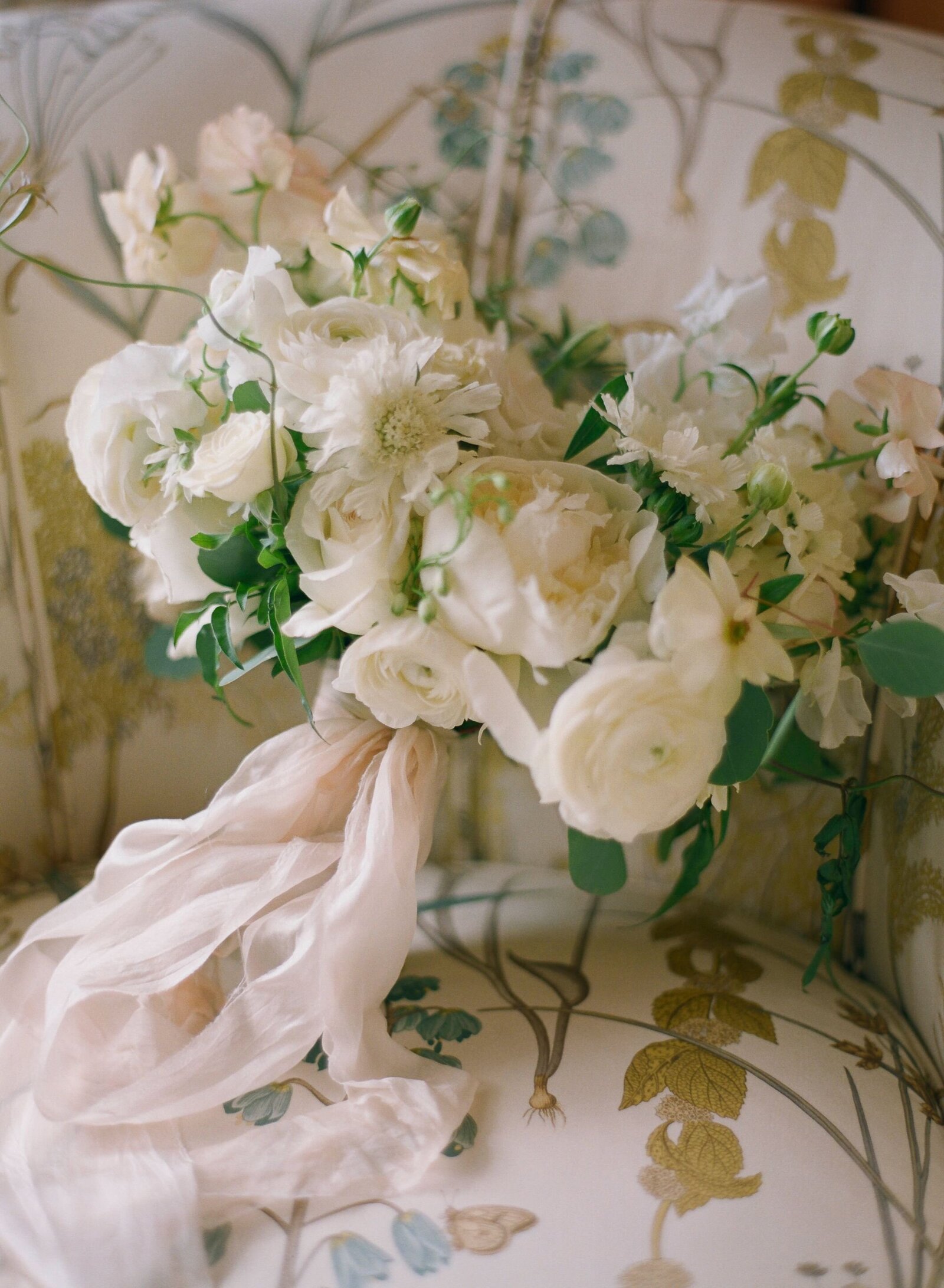
Color palettes, linens, florals, and tablescapes are best finalized after key logistics are set. Elements like venue style, lighting, layout, and season all affect how design choices look and function. When these decisions are timed thoughtfully, the overall aesthetic feels cohesive and intentional rather than disconnected from the space.
Secondary vendors and enhancements
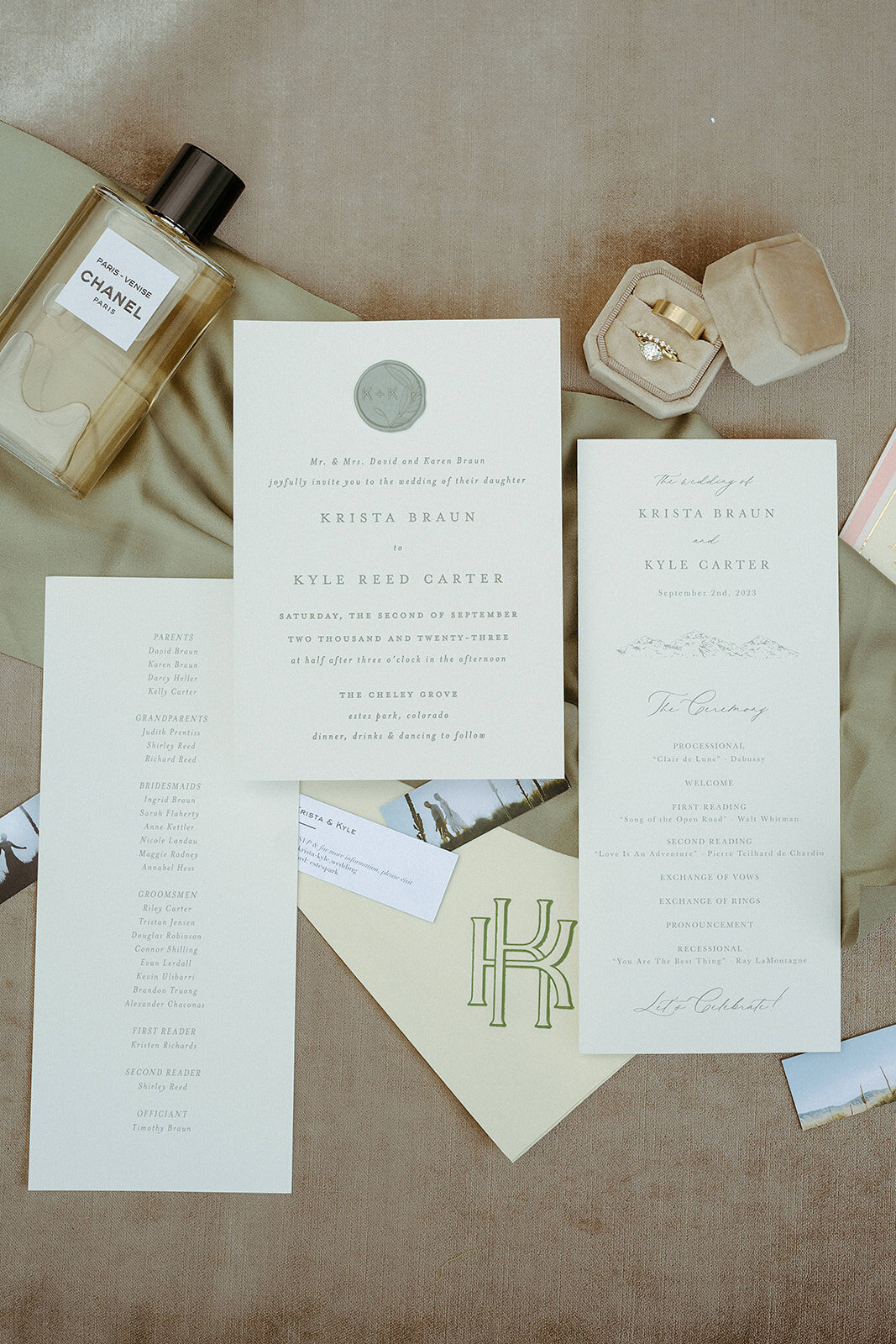
Signage, specialty rentals, favors, and styling layers come together more smoothly once your guest count, layout, and core vendor team are confirmed. Waiting until these pieces are established helps ensure everything is scaled correctly, fits the flow, and truly adds value instead of creating unnecessary adjustments later.
Precise budget breakdowns
Budgets should evolve as plans become clearer. Early on, the goal is to understand priorities and general investment ranges—not finalize exact numbers. As vendors are booked and logistics are defined, your budget naturally becomes more detailed and accurate.
Planning doesn’t need to feel urgent to be effective. Couples who take time to gain clarity early often make more confident decisions and experience less stress overall. If things feel quiet right now, that’s okay—this phase is about understanding, not rushing into action.
The strongest wedding plans aren’t built on speed; they’re built on intention. When you begin with the right foundation, every next step feels clearer, more aligned, and far more enjoyable.
Written by Aspen & Ivy | Full-Service Wedding Planning & Design



leave a comment